Hormonal Tablets: Safety, Stability & Patient-Centric Packaging Considerations
Hormonal tablets are small in size, but they carry high stakes. Their performance depends not only on formulation quality, but also on how well they are packed, protected, labeled, and presented to the end user. For any hormonal tablets manufacturer, packaging is not the final step. It is a critical part of product quality, patient safety, and brand trust.
Unicure Remedies, with expertise in hormonal tablets and WHO-GMP aligned manufacturing, operates in a category where precision matters from production through final pack presentation.
In hormone-based therapies such as oral contraceptives, menstrual regulation products, and HRT-related tablets, packaging must do more than look neat on a shelf. It must protect the product from moisture, light, oxygen, handling damage, and dosing confusion. Stability guidance from ICH and container closure guidance from FDA both stress that drug products should be evaluated in the same packaging system proposed for market.
Why Packaging Matters More for Hormonal Tablets
Hormonal products often need tighter control because even minor degradation, labeling confusion, or dosing mistakes can affect treatment outcomes. That is why hormonal tablets packaging should be designed around three goals:
- Protect potency throughout shelf life
- Support safe, correct use
- Reduce avoidable handling errors
A strong packaging system helps maintain the tablet’s integrity from manufacturing to the patient’s hand. WHO packaging guidance highlights that pharmaceutical packaging exists to ensure medicines reach patients safely and in the intended condition.
Stability Starts with the Pack
Here is the simple truth. A stable tablet still needs a stable environment.
Packaging for hormonal tablets should account for:
- Moisture sensitivity
- Light exposure
- Oxygen ingress
- Heat and transit stress
- Tamper evidence
ICH Q1A(R2) states that stability testing should be carried out on the dosage form in the proposed market container closure system. FDA guidance also notes that packaging may need to protect against moisture, reactive gases, light, and rough handling.
Pro tip: When selecting pack formats for hormonal tablets, do not compare only unit cost. Compare barrier protection, in-use safety, transport durability, and end-user convenience together.
Choosing the Right Pack Format
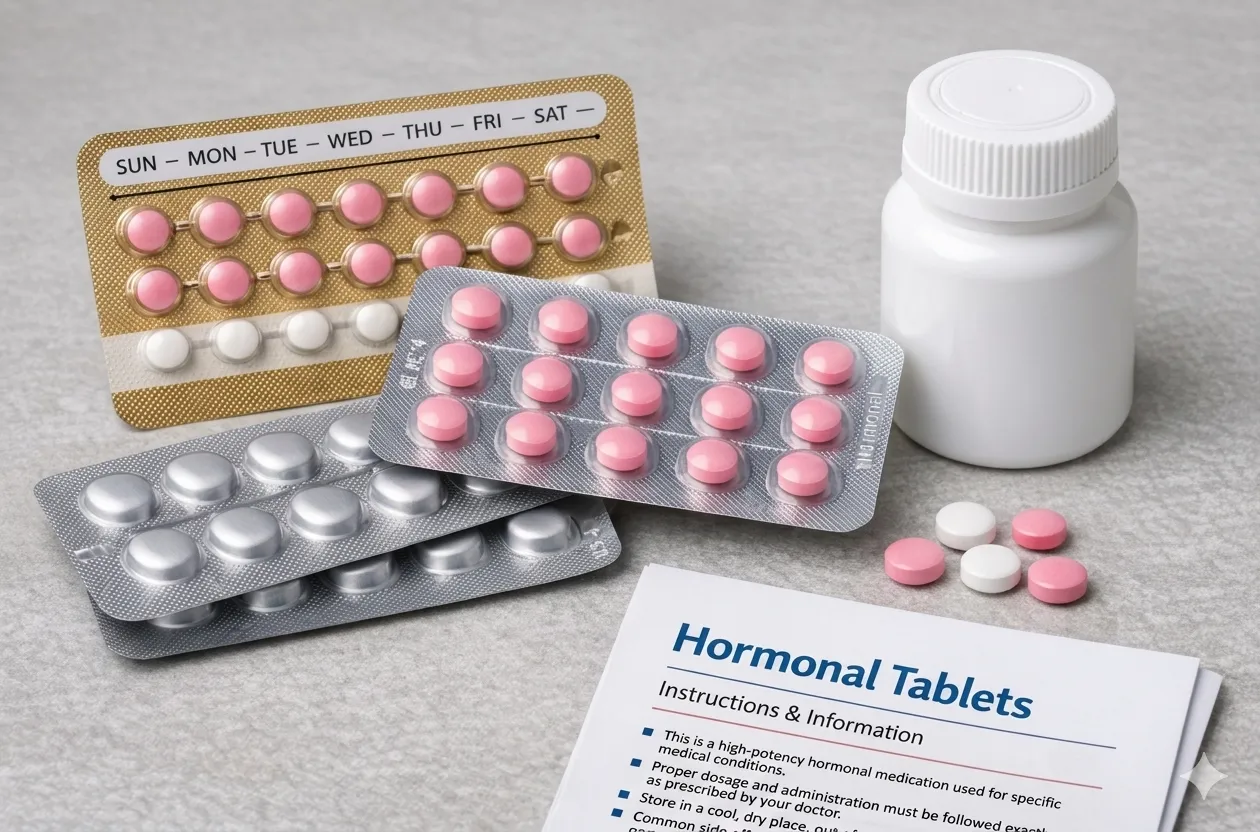
Not all oral solid dose packs serve the same purpose. Pharmaceutical blister packaging is often preferred for hormonal tablets because it gives each dose its own sealed cavity. That helps limit exposure after opening and supports better dose tracking. StatPearls notes that calendar blister packaging has long been used for oral contraceptives and can help patients remember whether a dose was taken. FDA also notes that calendar or blister packs may reduce medication errors and improve adherence.
Common Packaging Options for Hormonal Tablets
| Packaging Type | Best Use Case | Key Benefit | Main Watch-Out |
|---|---|---|---|
| Blister pack | Daily or cyclic dosing | Strong dose separation and visibility | Material choice must match barrier needs |
| Calendar blister pack | Oral contraceptives, cycle-based therapy | Helps patients track missed or taken doses | Artwork and print clarity are vital |
| HDPE bottle | Bulk or multi-dose supply | Efficient for volume handling | Repeated opening may expose tablets |
| Alu-Alu blister | Sensitive products needing higher barrier | Strong protection from moisture and light | Higher packaging cost |
This choice should always align with formulation behavior, distribution conditions, and patient use patterns.
Do you know? Calendarized blister packaging is classically associated with oral contraceptives because it helps patients see whether they already took a dose. (NCBI)
Patient-Centric Packaging Is No Longer Optional
Good packaging protects the product. Great packaging also supports the person using it.
That is where patient-centric packaging becomes important. Hormonal tablets are often taken on fixed schedules. Patients may be managing contraception, menopause symptoms, cycle regulation, or endocrine-related conditions. Missed doses, unclear labels, or confusing packs can increase risk.
What Patient-Centric Design Should Include
A patient-friendly pack should have:
- Clear drug name and strength
- Easy-to-read typography
- Dose sequence or weekday guidance
- Tamper-evident presentation
- Pack integrity after travel and storage
- Instructions that stay with the medicine
- Senior-friendly opening without damaging the dose cavity
FDA guidance on container labels and carton design specifically highlights that thoughtful blister or calendar pack design can help reduce medication errors and keep critical information with the medicine during use.
Safety, Compliance, and Quality Control Go Together
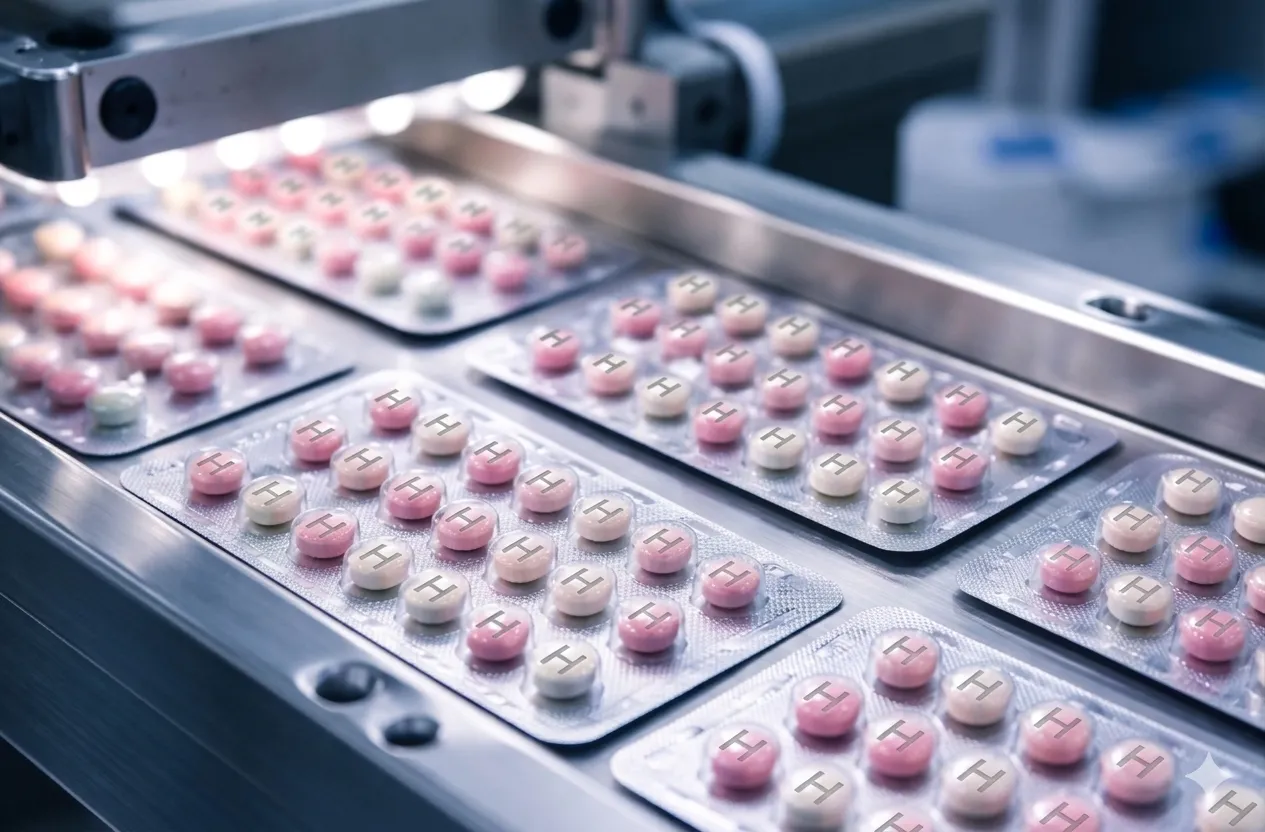
A reliable pack is backed by process discipline. Packaging quality should be checked for seal integrity, print accuracy, leak resistance, barcode readability, and compatibility with the product’s stability profile. Unicure highlights dedicated quality assurance, quality control, and specialized manufacturing capabilities across hormonal tablets, which is especially important in regulated categories.
Packaging Checkpoints That Matter
Before release, teams should verify:
- Primary pack material compatibility
- Foil sealing consistency
- Batch coding and traceability
- Correct leaflet insertion
- Carton durability in transit
- Label readability under routine use
- Stability data against proposed storage conditions
Quick fact: In the United States, 11.4% of women ages 15 to 49 currently use the pill, which shows how important safe and usable oral hormone packaging remains in real-world care.
The Sustainability Conversation Is Growing Too
Today’s buyers also look at pack efficiency. The goal is not simply to reduce material. The goal is to reduce waste without weakening protection. In pharma, that balance is essential. Blister packaging remains widely valued because it protects each dose, supports adherence, and provides tamper evidence, but the industry is also exploring more sustainable blister formats and waste reduction strategies.
For brands and contract manufacturing partners, smart progress includes:
- Right-sizing the secondary carton
- Using compliant, recyclable components where feasible
- Improving print efficiency
- Avoiding over-packaging that adds no protection value
Key Takeaways
- Hormonal tablets need packaging that protects both stability and safe use.
- Blister and calendar packs often offer strong advantages for dose control and adherence.
- Stability testing must reflect the actual market pack.
- Patient-centric design improves clarity, convenience, and confidence.
- Packaging quality is a product quality issue, not just a branding issue.
- The best results come from balancing safety, barrier performance, usability, and compliance.
Last Thoughts
Hormonal tablet packaging should never be treated as a routine outer layer. It is a functional system that protects potency, guides correct use, and reinforces trust in the product. Whether the goal is better stability, safer distribution, or a more intuitive patient experience, the right packaging strategy creates measurable value. For companies serving regulated and quality-sensitive markets, packaging decisions can shape both product performance and patient confidence.
FAQs
1. What packaging is commonly used for hormonal tablets?
Blister packs, calendar blister packs, and HDPE bottles are commonly used. The final choice depends on stability needs, dosing pattern, and patient usability.
2. Why are blister packs often preferred for hormone-based tablets?
They provide unit-dose protection, help reduce exposure after opening, and can improve dose tracking for patients.
3.Looking for a trusted partner in hormonal tablet manufacturing and packaging?
Explore Unicure Remedies’ capabilities in hormonal tablets, quality control, and manufacturing to support safer, more reliable product delivery.